Homeowner's Guide to selecting the right water softener system
Professional Water Softener Installation for a Cleaner Home
Water hardness can considerably affect both home systems and personal health. Many homeowners overlook the need to address this issue until it presents itself as plumbing problems or skin irritations. Professional water softener installation provides a effective solution that enhances appliance efficiency and improves overall water quality. Understanding the implications of hard water and the installation process is essential for making informed decisions. What steps should homeowners take to achieve ideal results?
How Mineral-Rich Water Affects Your Home and Health
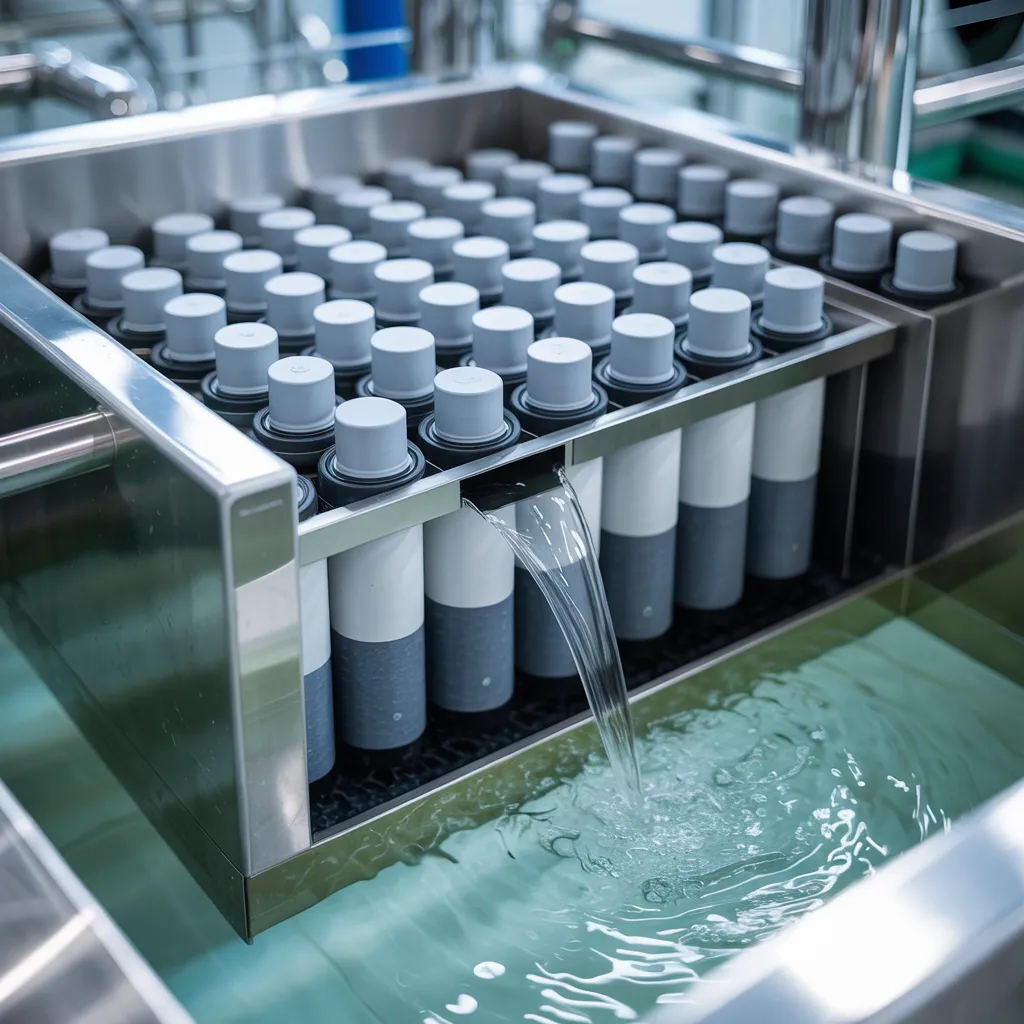
Hard water can wreak havoc on both home systems and personal health. The level of high mineral content, particularly calcium and magnesium, creates scale buildup in pipes, appliances, and fixtures. This accumulation not only impairs water flow but can also diminish the lifespan of water heaters and dishwashers, leading to expensive repairs or replacements.
Considering individual wellness, hard water can cause skin irritation and dryness, as the minerals disrupt the natural moisture balance. Additionally, it may exacerbate conditions such as eczema. Hair can become brittle and dull, losing its natural shine. The taste of hard water can also be off-putting, potentially leading people to drink less water, which is essential for proper hydration. Overall, the implications of hard water go beyond inconvenience, impacting both the structural integrity of home systems and the health of its inhabitants.
Signs You Should Consider Getting a Water Softener
Is the water in a dwelling leaving behind unsightly stains and mineral deposits? This is often a clear indicator that hard water is present, and it may be time to contemplate a water softener. Homeowners might also notice a decline in soap foaming capacity, with soap and detergents requiring more product to achieve desired results. Additionally, dehydrated skin and dull hair can reveal the effects of hard water, as minerals can take away hydration. Frequent buildup in appliances, such as dishwashers and water heaters, may lead to inefficient operation and increased energy costs. If plumbing fixtures show signs of corrosion, the presence of hard water could be the factor. Finally, an unusual taste or odor in the water may further suggest the need for a water softening solution. Recognizing these signs can lead to a more wholesome and more efficient home environment.
Advantages of Putting in a Water Softener in Your Home
Installing a water softener can substantially improve a home's overall quality of life, especially for those suffering from the negative effects of hard water. Hard water, full of minerals like calcium and magnesium, can produce scale buildup in plumbing, reducing water flow and boosting maintenance costs. A water softener resolves these issues, lengthening the lifespan of appliances such as dishwashers and water heaters.
Moreover, treated water improves the effectiveness of soaps and detergents, resulting in spotless plates and gentler fabrics. Your skin and hair can also benefit, as softened water minimizes dryness and discomfort often caused by hard water minerals.
Additionally, residents may see a decline in soap scum and mineral deposits on faucets and showerheads, reducing cleaning difficulty. In summary, the implementation of a water softener not only boosts comfort and convenience but also leads to long-term savings and improved health for residents.
Why Professional Water Softener Installation Makes a Difference
Professional water softener installation is vital for multiple purposes. Experts bring specialized knowledge and abilities that guarantee the system is set up correctly, using proper equipment. This not only enhances performance but also supports long-term savings by reducing the likelihood of future issues.
Expert Expertise And Abilities
Navigating the difficulties of water softener installation requires a deep grasp of plumbing systems and water chemistry. Professionals have specialized knowledge that allows them to assess individual household needs efficiently. They are trained to determine the appropriate water softener model, ensuring compatibility with existing plumbing. Their expertise extends to understanding local water quality and the specific minerals present, which aids in selecting the most effective treatment solution. Additionally, experienced installers are familiar with local codes and regulations, ensuring compliance and safety. This level of expertise minimizes the risk of issues such as leaks or inefficient operation, ultimately resulting in a more reliable and effective water softening system. Consequently, professional installation is crucial for ideal performance and longevity.
Correct Apparatus Installation
Guaranteeing correct equipment installation is crucial for the ideal performance of a water softener. Faulty installation can cause poor operation, creating insufficient water treatment and conceivable harm to plumbing systems. Professionals possess the knowledge to assess the specific requirements of a household, ensuring that the water softener is correctly sized and positioned. They are knowledgeable about local codes and regulations, which helps avoid legal issues and guarantees compliance. In addition, seasoned installers can identify potential issues, such as improper drainage or insufficient electrical supply, before they cause problems. By handing over setup to qualified professionals, homeowners can enjoy peace of mind, knowing that their water softening system will work properly and contribute to a better quality of life.
Long-Term Cost Effectiveness
Proper hardware installation builds the groundwork for long-term cost efficiency in water softener systems. When correctly done, these systems operate efficiently, reducing energy consumption and minimizing maintenance expenses. A properly functioning water softener avoids mineral deposits in pipes and appliances, increasing their longevity and enhancing energy savings. This not only cuts down utility expenses but also reduces costly maintenance needs. Additionally, professional installation assures the system is designed to fit the home's needs, avoiding unnecessary salt and water use. In the end, investing in professional installation offers major long-term benefits, making it a wise decision for homeowners seeking both immediate and long-term financial gains.
How to Determine the Best Water Softener for Your Home
When determining the best water softener for a home, what factors should be considered to assure peak functioning? First, homeowners should measure their water hardness level, typically measured in grains per gallon, to establish the appropriate capacity needed. This information helps in selecting a unit that can efficiently process the household's water usage.
The kind of water softener matters greatly next. Choices include salt-based, salt-free, and dual-tank systems, each offering different advantages. Homeowners should also consider the size and installation space accessible, as some systems need more room than others.
Energy efficiency serves as a further significant element; selecting a model with a high-efficiency rating can result in lower operational costs. Lastly, reviewing customer feedback and warranty options can offer insights into dependability and service quality. By accounting for these factors, homeowners can make an thoughtful choice that best meets their needs and boosts their home's water quality.
What Happens During the Setup Process?
Putting in a water softener necessitates several critical phases that residents should prepare for. First, a specialist will evaluate the plumbing system to pinpoint the ideal setup position, often close to the main water supply pipe. They will then shut off the water supply and drain the existing system. Next, the installer will connect the water softener to the configuration, securing proper alignment and secure fittings to prevent seepage.
After connecting the unit, they will load the brine tank with salt and configure the system according to the specific water hardness levels. The technician will then perform a practical resource test run, checking for any problems or adjustments needed. Once everything is functioning correctly, they will give the homeowner with a brief overview of the system's operation and maintenance. This thorough approach ensures that the installation is smooth, allowing homeowners to enjoy the benefits of softened water without difficulty.
Tips for Extended Upkeep of Your Water Softener
Upon finishing of the water softener installation, consistent maintenance is vital to achieve ideal performance. Regularly inspecting and adding salt to the brine tank is essential; this guarantees your softener operates at peak efficiency. Users must check the salt level once a month to avoid depletion, which may reduce the system's performance.
Furthermore, it is advised to clean the brine tank at least once a year to remove any sludge or impurities that may build up. Examining the resin beads for damage is also essential; replacing them every 5 to 10 years can help preserve peak functionality.
In conclusion, booking annual expert assessments can identify any potential issues early, guaranteeing the system operates smoothly. By complying with these upkeep suggestions, homeowners can extend the lifespan of their water softener and enjoy the benefits of softened water for years to come.
Often Inquired Questions
How Much Does Professional Water Softener Setup Typically Cost?
Professional water softener installation typically expenses between $500 and $2,500, depending on factors such as system type, installation complexity, and regional pricing. Property owners should get multiple quotes for precise budgeting and selection.
Can You install a Water Softener by Yourself?
Yes, individuals can set up a water softener on their own, provided as they possess basic plumbing knowledge and equipment. However, expert setup is suggested for optimal results and to prevent potential problems during the setup procedure.
What amount of time should you expect for the installation process to be completed?
Installing the system usually requires between two to four hours, contingent on the intricacy of the plumbing and the type of system being installed. Adequate preparation and knowledge of plumbing can impact the overall time required.
What Warranties Are Offered for Set Up Water Softeners?
Yes, many water softeners that have been installed come with warranties that cover parts and labor. The extent of coverage and how long it lasts vary by manufacturer, so it's prudent to evaluate specific warranty terms provided at the installation process.
What maintenance services Do professionals extend Post-Installation?
Professionals usually offer service packages including periodic system reviews, salt refilling, resin cleaning, and issue resolution. They also deliver operational assessments and adjustments to guarantee peak functionality and extended lifespan of the installed water softener system.